



A lot of trade companies are still paying an agency for SEO the same way it worked five years ago, and most owners have no idea until rankings start to slide. Knowing how to evaluate local seo agencies properly means looking past monthly report screenshots and checking what actually changed on the site and in search visibility. Search algorithms have shifted hard toward entity signals, structured data, and genuine topical depth.
Yet, plenty of contractor-focused SEO shops never updated their playbook past directory submissions and exact-match anchor text. An agency stuck in an old mindset isn’t necessarily dishonest; it’s just running processes built for a search landscape that no longer exists. This piece lays out five warning signs that indicate an agency is coasting on outdated tactics rather than adapting to how search actually works now. None of these signs require a technical background to spot, just a willingness to ask sharper questions than “how are our rankings this month.”
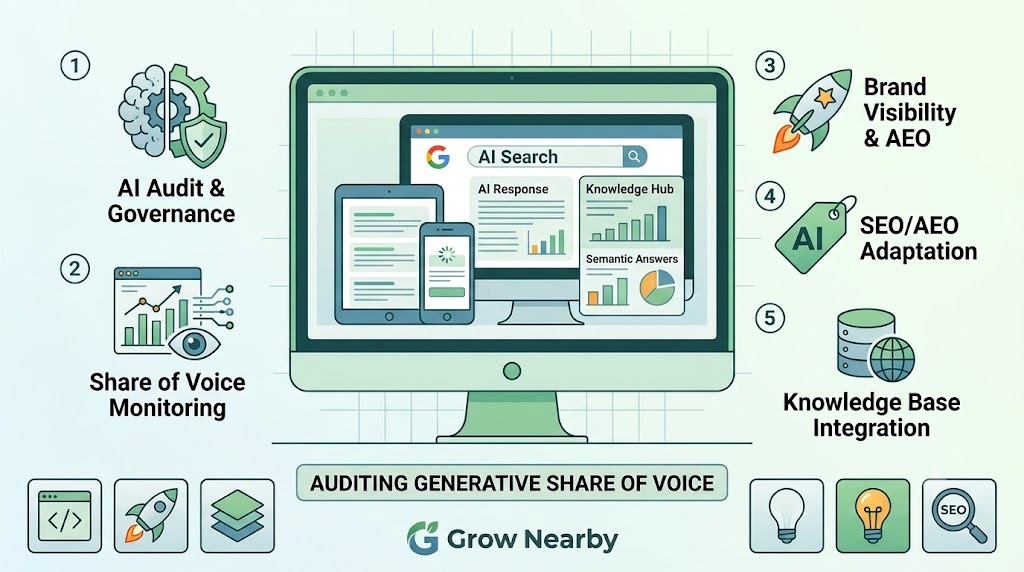
Auditing Your Marketing Partner for Modern Search Standards
Monthly Reports Focus on Rankings Alone
Plenty of legacy agencies still hand over a spreadsheet of keyword positions and call it a strategy update. Owners often accept this without question because no one has explained what a report should actually contain.
A few questions worth asking about any report:
- Does it show organic traffic and conversions, not just rank position? Rankings alone rarely translate to a fair read on real business impact.
- Does it break down which pages actually gained visibility? A single average rank number hides which service pages are working and which are dead weight.
- Does it mention anything about schema, site speed, or technical health? Reports that skip technical metrics usually mean nobody is checking them.
An agency that can only talk about position numbers is measuring the wrong thing entirely, and that gap tends to widen the longer the relationship continues unquestioned.
Directory Submissions Still Anchor the Strategy
Some agencies built their entire service offering around submitting a business to fifty citation directories and calling it local SEO. Leaning on these outdated local marketing strategies made sense when citation consistency carried real ranking weight, but that influence has faded substantially over the past several algorithm updates.
Modern local visibility depends far more on review velocity, service-area schema, and content depth than on how many obscure directories list a phone number. Agencies that still pitch directory packages as a core deliverable in this market usually haven’t updated their processes in years. Ask what percentage of the monthly retainer goes toward citations versus content or technical work, and the answer tends to be revealing. Agencies that hesitate to break down that split are usually protecting a process they haven’t bothered to modernize.
Content Reads Like It Was Written for Nobody
A recurring pattern among stuck-in-the-past agencies is generic blog content stuffed with a keyword every few sentences and little else. These are classic red flags that contractor SEO firms should watch for internally, too, since thin, repetitive content drags down topical authority rather than building it. Real service pages need specifics: brand names of equipment used, actual service radius, pricing ranges, and answers to questions customers actually search for.
When every blog post from an agency reads like a template with the city name swapped out, it usually means volume was prioritized over research. That approach might have scraped by in an earlier search environment, but it actively hurts rankings today. Search engines now reward pages that answer a specific question thoroughly over pages that repeat a phrase enough times to trip an old-school density check. Stop paying for thin content that actively hurts your site authority. Connect with our team for professional Home Service Content Writing tailored to dominate modern semantic search environments.
Backlink Reports Emphasize Quantity Over Relevance
Old-school link building meant chasing raw backlink counts wherever links could be bought or swapped. That habit is one of the clearest tells that a team hasn’t adjusted its approach in years.
Signs the agency is still stuck on this:
- They celebrate hitting round-number link totals. A hundred low-quality links rarely outweigh five relevant, high-authority placements.
- They can’t explain domain relevance. Understanding link volume versus entity authority matters because search engines now weigh topical trust far more than sheer backlink count.
- They avoid discussing digital PR or citations tied to real local presence. True local authority comes from being mentioned where the business is actually known, not from anonymous directory links.
Chasing volume without relevance is a strategy built for a search engine that no longer exists, and most sites running on that approach plateau hard, no matter how many links are added.
Nobody Can Explain Why a Page Ranks or Doesn’t
When asked why a specific service page dropped in rankings, a modern agency should be able to walk through technical, content, and authority factors together. Agencies running on autopilot usually respond with vague reassurances rather than a real diagnosis because no one on the team is actually auditing anything beyond the report template.
That gap becomes expensive fast, since problems that could get fixed in a week instead linger for months while the retainer invoice stays the same. A team that treats every ranking shift as unexplainable is either undertrained or simply not looking closely enough. Real expertise shows up in specific answers, not shrugs, and that difference is usually obvious within the first real conversation.
Conclusion
Search has changed enough in the past few years that tactics once considered standard practice now actively work against a site. Spotting these ten signs early saves months of wasted ad spend and stalled rankings that could have been avoided with a more current approach. None of this means every agency running an older playbook is acting in bad faith, but results speak louder than intentions.
Reviewing reports, site changes, and actual ranking movement regularly is the fastest way to catch stagnation before it compounds. Trade businesses that hold their SEO partner to a higher, more current standard tend to see steadier growth rather than a slow, unexplained decline. A short internal audit of the last few months of reports usually makes it obvious pretty quickly which category an existing agency falls into. Grow Nearby audits outdated SEO strategies and fixes what’s broken. Contact us for a free local search evaluation today.
FAQs
Ques: How do I know if my local SEO agency is behind on strategy?
Ans: Look at whether recent reports mention anything beyond keyword rank, and whether the agency working on a business can explain technical or content changes made in the past quarter, not just ranking screenshots.
Ques: What should a modern SEO contract look like for a trade business?
Ans: A current contract should reference schema markup, review management, and content depth rather than citation counts alone, especially for a competitive service market.
Ques: Is switching SEO agencies risky for a trade company?
Ans: Switching carries some short-term reporting gaps, but a trade business stuck with an outdated agency usually loses more long-term visibility by staying than it would by transitioning to a more current strategy.