



Introduction:
AI-driven search is transforming how users discover local services, especially in competitive fields like pest control. Traditional SEO methods alone are no longer enough to secure visibility. Pest control companies must now adapt their strategies to cater to search engines’ new AI-based algorithms. That means optimizing not just for keywords, but also for context, intent, authority, and trust. If you’re wondering how to rank in AI search mode for pest control companies, this comprehensive guide will walk you through the steps you need to take to outperform competitors and stay relevant.
1. Understand AI-Powered Search and User Intent
AI search engines use natural language processing (NLP) and machine learning to understand what users mean, not just what they type. That means it’s no longer enough to just stuff your site with keywords. You need to think about what your customers are really asking when they search for terms like “get rid of termites fast” or “safe pest control near me.” AI tools will pull from your content only if it clearly addresses the deeper intent behind those queries. Craft your website copy, blogs, and FAQs around answering specific questions users are likely to ask in real-world situations.
2. Optimize for Conversational Queries and Featured Snippets
AI search thrives on conversational, long-tail queries. Instead of targeting generic keywords, build content that mimics natural conversation. Use headings that sound like questions a homeowner might ask, such as “What should I do if I see carpenter ants in my kitchen?” Then follow up with clear, informative answers in the first few sentences. This increases your chance of being selected for featured snippets, which AI search engines often prioritize. Keep your language clear, concise, and formatted in a way that AI can easily scan and extract.
3. Implement Structured Data to Improve Crawling and Understanding
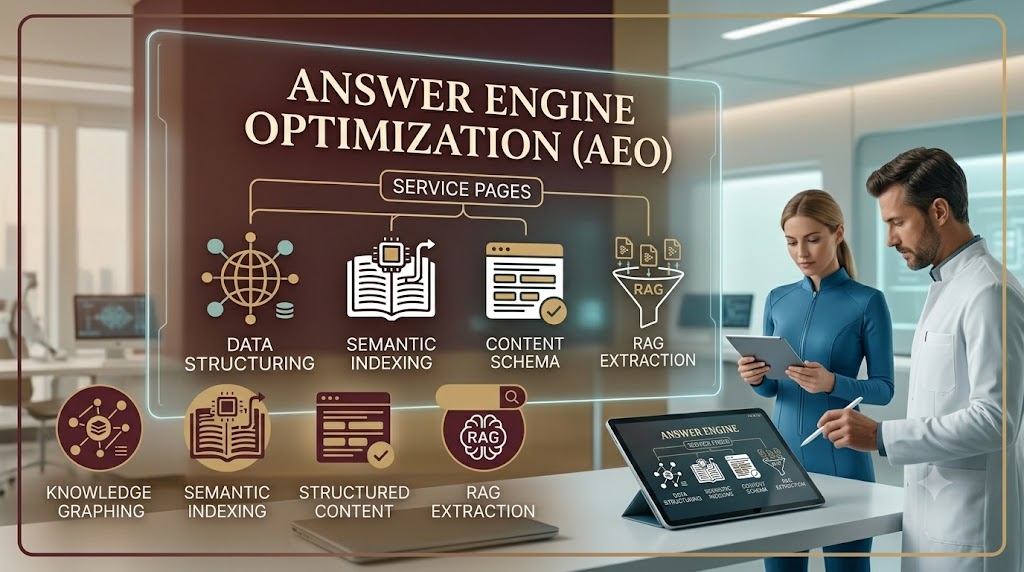
Structured data—or schema markup—is critical in helping AI-powered search engines understand your site’s content. By tagging your business hours, service areas, reviews, pest types, and pricing information, you’re providing context that AI uses to determine how trustworthy and relevant your page is. Pest control companies can use local business, service, and FAQ schema to boost rankings. These small snippets of code create a language bridge between your site and AI search engines, making it easier for them to categorize and rank your content correctly. As a bonus, this can also help your listing show up in enhanced formats in search results.
4. Create a Dedicated FAQ Page Based on Real Customer Questions
A strong FAQ page gives your website two major benefits: it answers your customers’ most common concerns, and it provides AI engines with well-structured, valuable information. Review your call transcripts, emails, and Google reviews to gather real customer questions. Then create clear, helpful answers using keywords naturally within your responses. Keep each answer between 50–100 words, and use subheadings for easy crawling. Google’s AI often pulls answers directly from FAQ pages, especially for voice searches and AI overviews, so keeping this section up-to-date is essential.
5. Focus on E-E-A-T: Experience, Expertise, Authoritativeness, and Trustworthiness
Google and other AI-driven platforms heavily favor content that demonstrates E-E-A-T. To build expertise, feature author bios from licensed pest control professionals on your blog. For experience, share case studies and before/after images of actual pest treatments. Build authoritativeness by getting featured in local directories, home improvement blogs, and news articles. Finally, increase trustworthiness with consistent reviews, transparent pricing, and clear contact information. AI search algorithms now evaluate content much like a human would—by assessing if you are a legitimate, qualified, and helpful source of information.
6. Enhance Local SEO with AI in Mind
AI search still pulls heavily from localized signals when users search for services like pest control. Make sure your Google Business Profile is fully optimized with updated hours, services, and images. Use location-based keywords naturally across your site, such as “termite control in Austin” or “bed bug exterminator near Sacramento.” Build out location-specific landing pages that address pest problems in different cities or regions you serve. Keep these pages unique—don’t copy and paste the same content with a different city name. AI tools penalize thin or duplicated content, so custom relevance is key.
7. Maintain Fresh, Consistent, and Contextual Content
AI search engines love fresh and frequently updated content. Create a blog calendar with seasonal pest control tips, recent infestations, or regulatory updates in your area. Update old blogs to reflect current information and republish them. Add context to your content by linking to trusted external sources, such as the EPA pest safety guidelines or state pest control associations. The more consistent and contextual your content is, the more likely AI is to view your site as a reliable source. Also consider publishing video content and transcripts to increase engagement and dwell time—two metrics AI pays attention to.
8. Monitor Performance and Adjust Based on AI Insights
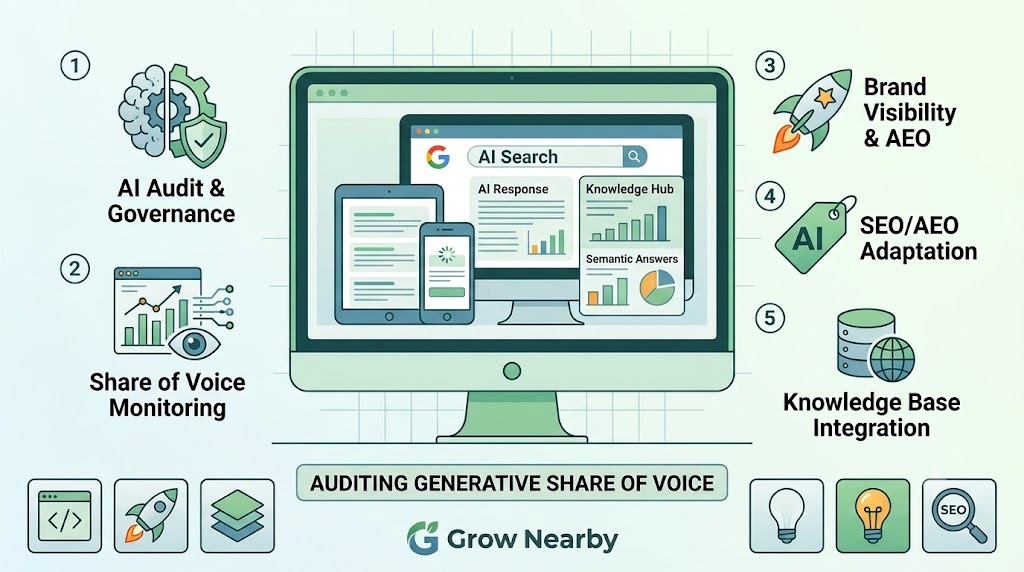
Finally, remember that AI search algorithms are dynamic. Use tools like Google Search Console, Bing Webmaster Tools, and AI-specific analytics platforms to monitor how your pages are performing. Look at which search queries bring people to your site, where you’re showing up in featured snippets, and which pages get the most traffic. Adjust your headings, content, and page structure accordingly. Pay close attention to bounce rates and time-on-page, as AI engines interpret low engagement as a sign that your content doesn’t meet user needs. Continuous improvement is essential to maintain visibility in AI-driven search results.
Conclusion:
The rise of AI search is not just a shift in algorithms—it’s a complete transformation in how people find pest control services online. If you want your company to stay ahead of the competition, adapting to this new search environment is no longer optional. From using structured data and conversational content to building trust and authority, each element of your SEO strategy must evolve to meet AI’s expectations. When done right, the rewards include more qualified leads, stronger brand credibility, and long-term growth. Embracing these changes early will help ensure your pest control business stays visible and valuable in the years to come.
Are you ready to take control of your rankings in the age of AI? Let our pest control SEO experts help you craft AI-optimized content that drives traffic and builds trust. Contact us at Grow Nearby for a free audit and personalized strategy session to get your business ranking where it belongs at the top!