



Introduction:
Creating content that aligns with AI-driven search engines requires a fresh approach to SEO. With tools like Google’s AI Overview shaping the future of content visibility, a strategic focus on FAQ-rich formats is more important than ever. FAQs are not just for answering questions—they’re powerful SEO tools that provide direct value to both users and search engines. To help you master this approach, here’s how to build an effective AI search content strategy using FAQ-rich SEO techniques.
1. Understand How AI Search Engines Process Content
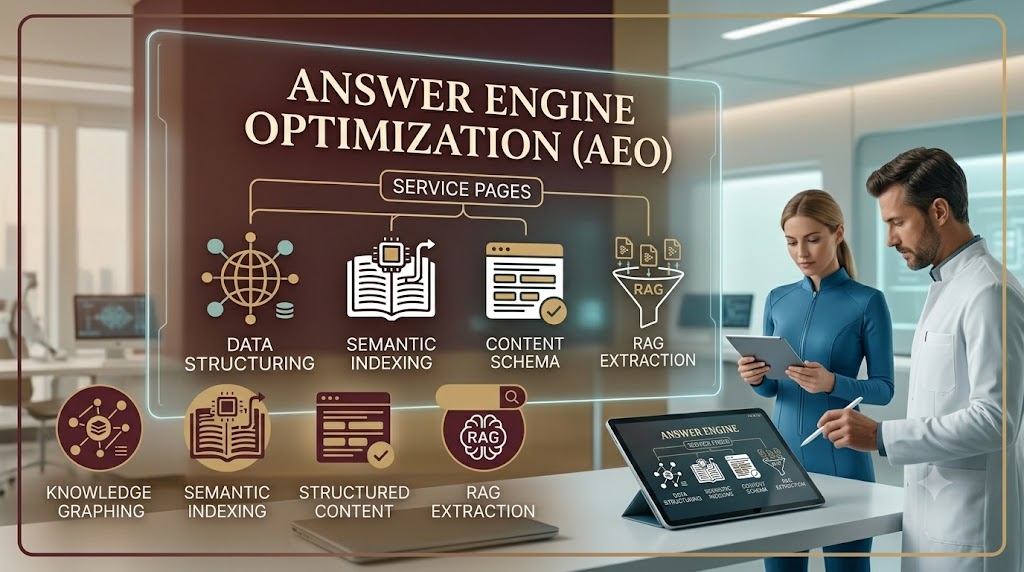
AI search models like Google’s Search Generative Experience (SGE) are designed to understand intent, context, and semantic meaning behind queries. Unlike traditional search engines that focus heavily on keywords and backlinks, AI search engines prioritize clarity, structure, and relevance. By formatting your content around specific, high-intent user questions, you increase the chances of being featured in AI overviews. Including a combination of long-tail keywords and natural language queries ensures your content is aligned with conversational search patterns. This makes FAQ-style content the ideal vehicle for surfacing in AI-driven search results.
2. Conduct Intent-Driven Keyword Research
Before writing your FAQs, it’s crucial to understand what your audience is searching for and why. Use tools like Google’s “People Also Ask,” AnswerThePublic, and SEMrush’s Keyword Magic Tool to find high-intent questions related to your industry. Focus on keywords and questions that signal different stages of the buyer’s journey, from curiosity to conversion. Aim to include both broad and niche queries in your content. This approach not only helps you build authority but also ensures that your content serves as a comprehensive resource.
3. Structure Your Content with Clear Question Headings
Using clean, scannable question-based headers (H2s and H3s) makes it easier for both users and AI crawlers to parse your content. Each FAQ should be framed as a natural question a user might type into a search. Avoid vague or overly clever headers that don’t clearly communicate the topic. Instead, opt for straightforward phrasing like “What are the benefits of ductless HVAC systems?” or “How do I schedule an emergency plumbing repair?” Clarity in your headers increases the chances of your answers being pulled into featured snippets or AI summaries.
4. Provide Direct, Helpful Answers Within Each FAQ
AI search engines favor concise, informative responses that directly address the question posed. Each FAQ answer should be around 4–6 sentences and avoid fluff. Begin with a clear statement or definition, followed by brief supporting information and, when applicable, a call to action or link to learn more. Use simple, digestible language and avoid technical jargon unless your audience expects it. This user-first approach increases dwell time and engagement, two key signals that can boost your SEO performance.
5. Incorporate Semantic Keywords and Synonyms Naturally
AI understands language through context and relationships between words, so stuffing exact-match keywords is no longer effective. Instead, integrate related terms, synonyms, and semantically linked phrases into your answers. For example, if your question is “How to fix a leaky faucet?”, include terms like “dripping sink,” “plumbing repair,” and “kitchen sink faucet replacement” in the response. This helps search engines connect your content to a broader range of relevant searches while keeping it natural and user-friendly. A rich semantic web of language gives your content more chances to be surfaced.
6. Interlink FAQs with Supporting Blog Posts or Service Pages
An FAQ page shouldn’t be a content island. Link each answer to a related blog post, landing page, or service page to provide more value and context. For example, if your FAQ addresses “How often should I service my HVAC system?”, you can link to a detailed seasonal maintenance checklist. This interlinking strategy improves user navigation, boosts on-site SEO signals, and helps AI search systems understand your content hierarchy. Additionally, internal links signal to Google that your site is well-organized and trustworthy.
7. Optimize FAQ Content for Voice Search and Mobile Users
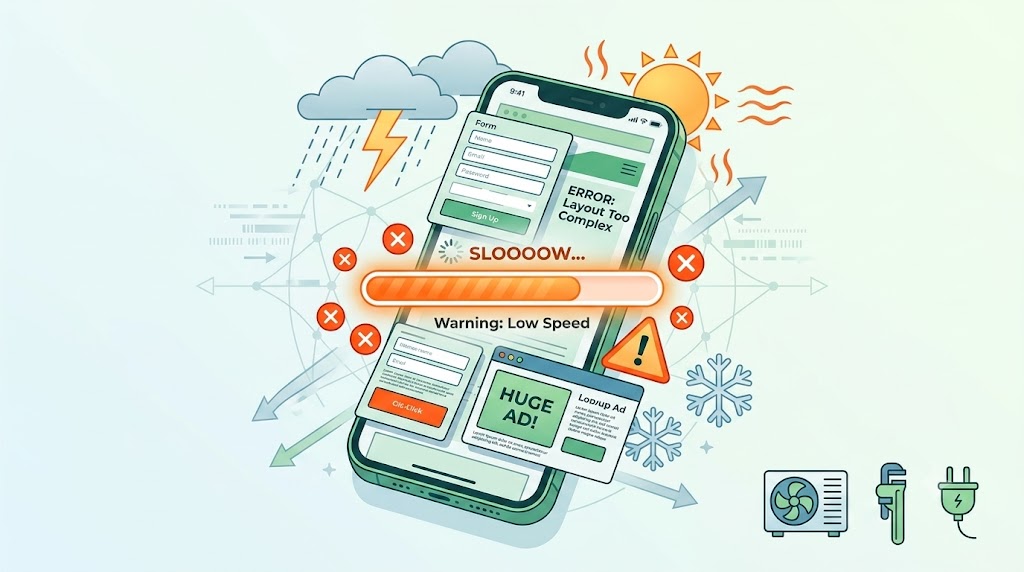
With the rise of voice-activated search via smart devices, many users now speak their queries instead of typing them. This means your FAQ content should sound natural and conversational. Use sentence structures that mimic real-life speech patterns and answer “who,” “what,” “when,” “where,” and “how” questions directly. Mobile optimization is equally critical—use responsive design, fast-loading pages, and easy-to-navigate layouts. AI search engines prioritize mobile-friendly sites, especially for voice-initiated searches, so your content must perform seamlessly across devices.
8. Regularly Update and Expand Your FAQ Content
AI search engines reward fresh, up-to-date content that evolves with user needs. Schedule periodic reviews of your FAQ pages to ensure all answers remain relevant, accurate, and aligned with current trends or regulations. Expand popular questions with new insights, data, or links to recent blog posts. Use analytics tools like Google Search Console to identify which questions are driving traffic and which need improvement. Treat your FAQ content as a living asset—one that grows in value the more attention and refinement it receives.
Final Words:
In the era of AI-powered search, traditional keyword-stuffing tactics won’t cut it. Creating FAQ-rich SEO content allows you to address your audience’s exact questions while giving search engines clear, high-quality material to rank and showcase. From smart keyword research to strategic interlinking and regular updates, every element of your FAQ strategy should aim to serve both the user and the algorithm. By consistently delivering value in a format that AI engines can easily digest, your brand stands a better chance of visibility, authority, and long-term SEO success.
Do you want to elevate your website’s AI search content strategy? Start building high-impact, FAQ-rich content with our expert SEO services. From research to writing and optimization, we’ll help you dominate the AI search landscape—one question at a time. Reach out to us at Grow Nearby today to schedule your free content audit and see what’s possible.