



Introduction:
If you want your plumbing business to truly stand out online, you need to think beyond basic SEO tactics. Here’s something that can really make a difference: Google’s Knowledge Graph. This powerful system prioritizes semantic search and entity-based SEO. When you understand how to work with it, you’re not just improving your rankings, but also becoming a trusted authority in Google’s eyes. Think of it as connecting your services with concepts and relationships that Google already recognizes and values. Let us walk you through exactly how you can master Google’s Knowledge Graph using entity-based SEO for plumbing services.
1. Understanding How Entities Work in Google’s Knowledge Graph
Entities are the building blocks of how Google understands the world. We’re talking about people, places, businesses, and things that have clear, distinct identities. When Google connects these entities with relevant information, it creates this web of understanding that’s incredibly powerful. For your plumbing company, this means you want to align everything, including your website, business name, services, and even your individual technicians, with well-defined entities that Google recognizes. When you structure your content around established plumbing terms and connect them to recognized entities like “plumber,” “leak detection,” or “water heater installation,” you’re speaking Google’s language. The clearer these signals are, the easier it becomes for Google to see you as the go-to authority in your field.
2. Making Your Google Business Profile Work Harder for You
Your Google Business Profile is like your digital storefront. It’s one of the main places Google pulls information for its Knowledge Graph. You want every single detail to be spot-on and rich with entity-relevant information. Choose categories that really reflect what you do: “Plumber,” “Drainage Service,” “Sewer Repair,” whatever matches your actual services. Those images you upload? Make sure they’re geo-tagged and titled with service-based keywords. Add localized service descriptions that show Google exactly where you operate and what makes you special. Here’s something crucial: your name, address, and phone number need to match everywhere they appear online. Keep updating your posts and services with language that clearly signals what you specialize in and where you do business.
3. Building Service Pages That Tell the Whole Story
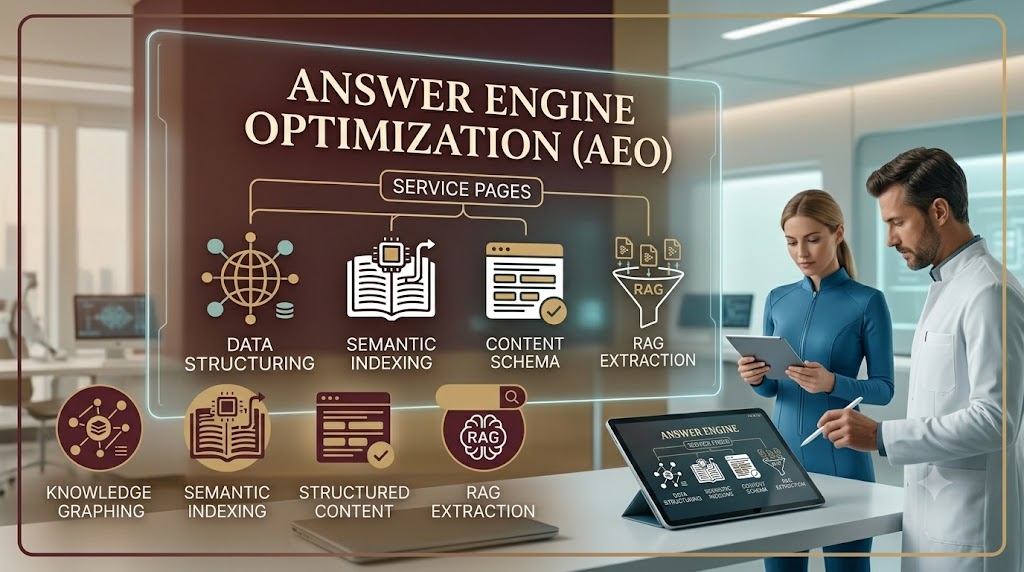
Your individual service pages should be comprehensive and show how different services connect to each other and the broader plumbing world. Take your water heater repair page, for example. Don’t just describe the service. Connect it to related concepts like “residential plumbing,” “energy efficiency,” and “tankless systems.” Use schema markup to help search engines understand your content and how it relates to established entities. When your website structure mirrors the relationships Google already understands, your brand becomes a source Google can trust and recommend.
4. Using Structured Data to Speak Google’s Language
Structured data is your way of having a clear conversation with Google about what your website offers and how it fits into the bigger picture. Use the Local Business schema to identify yourself as a plumbing contractor, and fill in those additional fields like opening hours, location, areas you serve, and specific services. Set up the Service schema for each of your plumbing services, and don’t forget about the FAQ schema to highlight those common questions customers ask. When you clearly communicate your site’s structure and business nature through schema, you’re giving Google a roadmap to connect your business with relevant entities in its Knowledge Graph.
5. Becoming the Go-To Expert Through Smart Content Clusters
Creating connected blog posts and service pages around plumbing topics helps establish you as the expert in your field. Start with a main pillar page on something like “Home Plumbing Maintenance,” then link it to related subtopics like “preventing frozen pipes,” “recognizing a clogged sewer line,” and “flushing your water heater properly.” Each piece of content should reference core entities and link to authoritative sources—think Wikipedia, government plumbing codes, or industry organizations. This cluster approach shows Google that your site is a comprehensive resource on plumbing, which strengthens your presence in the Knowledge Graph.
6. Getting the Right Kind of Backlinks
Backlinks are still important, but when you’re thinking about entity-based SEO, it’s about quality connections with websites that Google already recognizes as authorities. Aim to get mentioned on professional directories, industry associations like the Plumbing-Heating-Cooling Contractors Association, home improvement blogs, and local news sites. These backlinks do more than drive traffic. They reinforce your business’s identity and relevance to plumbing-related entities. Citations that include your business name, address, phone number, and services all contribute to your digital footprint and strengthen how Google sees you in its Knowledge Graph.
7. Using Keywords That Show Relationships
Instead of just focusing on exact-match keywords, use related terms that show how different concepts connect. If you’re targeting “pipe repair,” include variations and related terms like “copper piping,” “leak detection,” “joint replacement,” and “corrosion prevention.” Google understands how these terms fit together and associates them with the broader concept of plumbing. This approach makes your content more relevant to what people are actually searching for and aligns with how the Knowledge Graph interprets queries, helping your business show up in more meaningful search results.
8. Building Consistent Brand Recognition Everywhere
Google’s Knowledge Graph favors businesses that present consistently across the web. Your brand should appear with the same name, logo, and service descriptions whether someone finds you on your website, social media, business directories, or other platforms. Look for opportunities to get mentioned through interviews, sponsorships, or collaborations that reference your plumbing business by name. Even when these mentions don’t include links, Google’s algorithms pick them up and add them to your entity’s digital identity. Over time, this builds the kind of trust that makes Google more likely to feature your plumbing company as a recognized entity in its Knowledge Graph.
Wrapping Up:
Entity-based SEO for plumbing services represents a smarter approach that goes beyond simple keywords to influence how Google understands and represents your plumbing business. When you focus on entities, structured data, semantic relationships, and authoritative content, you’re enhancing both your visibility and trustworthiness with search engines. Every step you take, from optimizing your Google Business Profile to earning backlinks from credible sources, strengthens your position in Google’s Knowledge Graph. This translates to better rankings, more featured snippets, and stronger brand authority. Plumbing businesses that embrace entity-based SEO now will find themselves in a much stronger position for long-term search success.
Do you want to make your plumbing business the top choice in your service area? Let our SEO experts at Grow Nearby craft an entity-based SEO strategy that puts your company on Google’s map—literally. Contact us today, and let’s transform your digital presence from local to legendary.