



Introduction:
Small businesses must constantly adapt to evolving search engine algorithms to maintain visibility. One of the most significant developments in recent years has been Google’s integration of AI overviews, which analyze and summarize content to provide users with concise, relevant information. For businesses, understanding this shift is crucial, especially when optimizing for SEO for small business growth. AI overviews do not merely rank content based on keywords but evaluate context, relevance, and user intent, forcing marketers to rethink traditional SEO strategies. Leveraging these insights effectively can position small businesses ahead of competitors by enhancing search presence and user engagement.
1. Understanding Google’s AI Overviews
Google’s AI overviews utilize advanced machine learning models to summarize web content and present users with the most relevant information directly in search results. Unlike traditional search snippets that rely heavily on keyword matching, AI overviews focus on comprehension, analyzing the intent behind queries to deliver concise answers. For small businesses, this means that content must be clear, informative, and structured in a way that AI can easily interpret. Websites with disorganized or overly complex content may be overlooked, even if the keywords are well-targeted. Adapting content strategies to align with AI understanding can improve rankings and drive more meaningful traffic.
2. The Shift from Keywords to Context
Previously, SEO revolved largely around keyword density and backlink strategies. With AI overviews, Google increasingly prioritizes context and relevance over mere keyword usage. Small businesses must now create content that answers questions comprehensively while demonstrating authority on their subject matter. This involves structuring content logically, using natural language, and anticipating user queries. By focusing on context rather than keyword stuffing, small businesses can improve visibility and provide users with the information they genuinely seek.
3. Enhanced User Experience Drives Rankings
Google’s AI evaluates not only the content itself but also the user experience on a website. Factors such as page load speed, mobile responsiveness, and clear navigation now play a pivotal role in SEO outcomes. Small businesses that invest in a seamless user experience are more likely to have their content favored in AI overviews. Additionally, engaging and visually appealing content can increase time-on-page and reduce bounce rates, signaling relevance to search engines. AI-driven SEO strategies emphasize that technical optimization is just as important as content quality.
4. The Importance of Structured Data
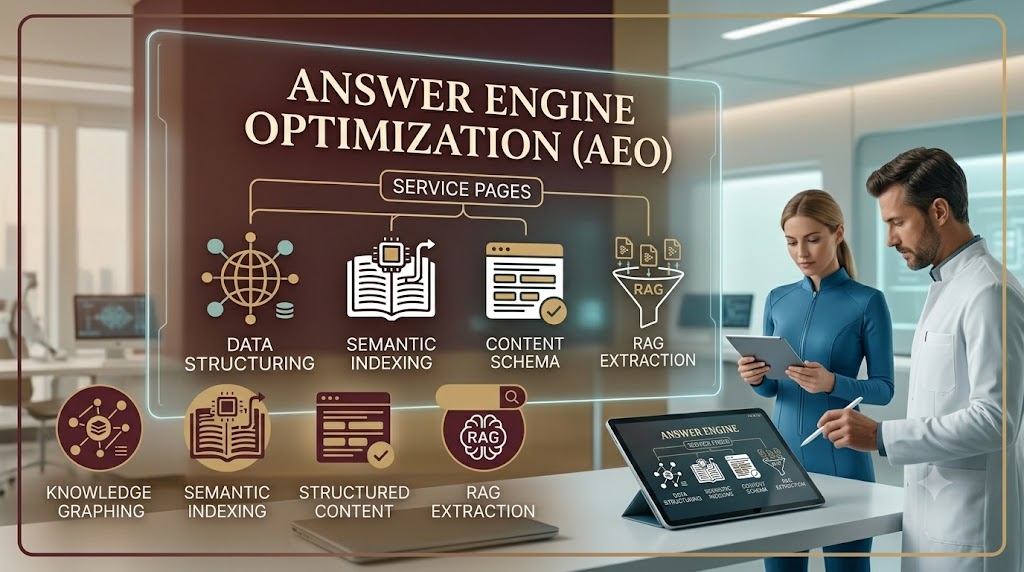
Structured data, such as schema markup, allows AI to understand the relationships between different pieces of content more effectively. By implementing structured data, small businesses can help Google’s AI identify products, services, reviews, and other critical information. This can lead to rich results and featured snippets that appear directly in search results, boosting visibility without additional advertising spend. Structured data also aids in voice search optimization, which is increasingly important as more users rely on smart devices. Businesses that integrate these practices demonstrate authority and relevance in their niche.
5. Leveraging FAQs and How-To Guides
Content formats such as FAQs and how-to guides are particularly favored by Google’s AI overviews because they directly address user questions. Small businesses that develop detailed, well-organized guides can capture featured snippets and position themselves as industry experts. Each answer should be concise yet informative, aligning with how AI processes and summarizes content. By continuously updating these resources, businesses can maintain relevance and keep pace with evolving search queries. Additionally, these formats encourage internal linking, enhancing the overall SEO structure of a website.
6. Local SEO and AI Integration
Local SEO has always been critical for small businesses, but AI overviews amplify its importance. Google’s AI can now analyze local intent more effectively, presenting users with businesses that are not only geographically relevant but also contextually aligned with their search queries. Optimizing business profiles, collecting authentic reviews, and maintaining accurate NAP (Name, Address, Phone) information are essential strategies. Small businesses that integrate local keywords naturally into content and metadata increase the likelihood of appearing in AI-driven local packs. This provides a competitive edge, especially for service-based businesses targeting specific regions.
7. The Role of Content Quality Over Quantity
AI overviews reward quality over sheer quantity, meaning that small businesses should focus on creating authoritative, well-researched content rather than numerous low-value posts. Each article should provide meaningful insights, data, and actionable advice that satisfy user intent. Thin content, keyword stuffing, or repetitive posts are less likely to rank highly under AI evaluation. By prioritizing depth and originality, small businesses can build trust with both users and search engines. Long-term content strategies that emphasize quality will generate sustainable organic traffic and higher engagement.
8. Monitoring and Adapting to AI Trends
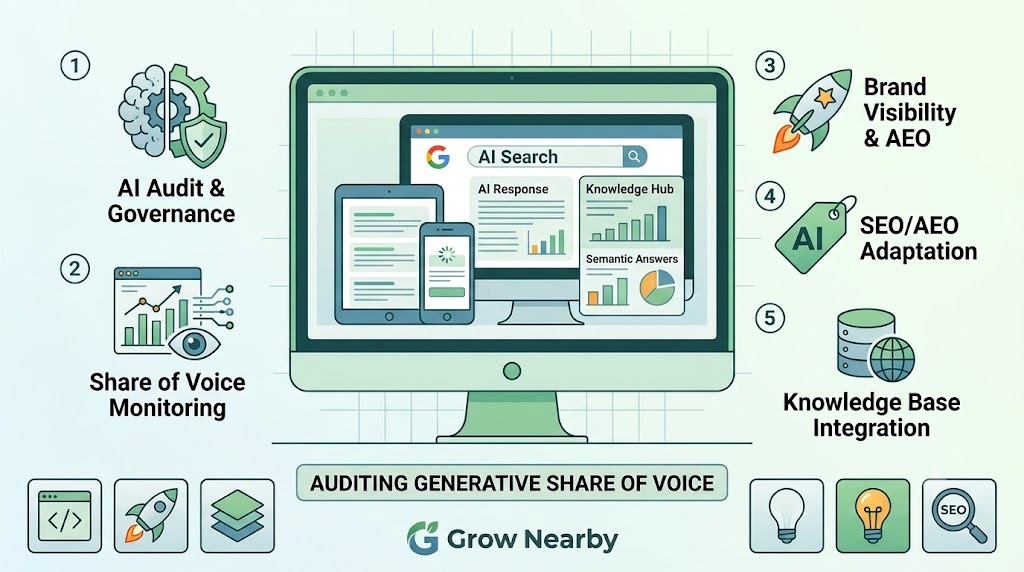
The integration of AI into SEO is ongoing, and small businesses must remain vigilant to maintain relevance. Tools that analyze performance, track search visibility, and evaluate AI-driven insights are crucial for adaptation. Businesses should monitor which content formats perform best in AI overviews and adjust strategies accordingly. Regularly updating content to match evolving user queries ensures continued alignment with Google’s AI assessment criteria. Staying informed and flexible allows small businesses to leverage AI advancements for strategic growth rather than being disrupted by algorithmic changes.
Wrapping Up:
Google’s AI overviews are redefining the landscape of SEO for small businesses by emphasizing context, user experience, and content quality. Traditional tactics like keyword stuffing and link manipulation are less effective, requiring businesses to focus on providing meaningful, well-structured content. Structured data, localized content, and user-centric resources such as FAQs and guides play a pivotal role in achieving visibility. By understanding and adapting to AI-driven search dynamics, small businesses can attract more qualified traffic, enhance engagement, and build long-term digital authority. Integrating AI-aware strategies ensures that small businesses remain competitive in a rapidly evolving digital ecosystem.
Take advantage of the AI-driven shift in SEO by optimizing your small business website today. Enhance your content, implement structured data, and focus on delivering value to users to improve search visibility. Connect with our team at Grow Nearby tailored SEO strategies that help your business thrive in the AI era. Embrace AI insights now to secure your spot at the forefront of online search.