



Introduction:
Search engine optimization (SEO) is all about user engagement metrics like dwell time and bounce rate. These two factors decide how search engines see your website’s relevance and quality. Increasing dwell time in SEO and lowering bounce rates will get you higher rankings and more visitors. Here are the tips to achieve that.
1. Create Engaging and Relevant Content
Dwell time starts with content that resonates with your audience. Write articles, blog posts, and pages that answer user questions thoroughly. Use simple language, include images or videos, and make sure your tone is in line with your target audience. Well researched and structured content will make users stay longer and explore more.
2. Website Speed
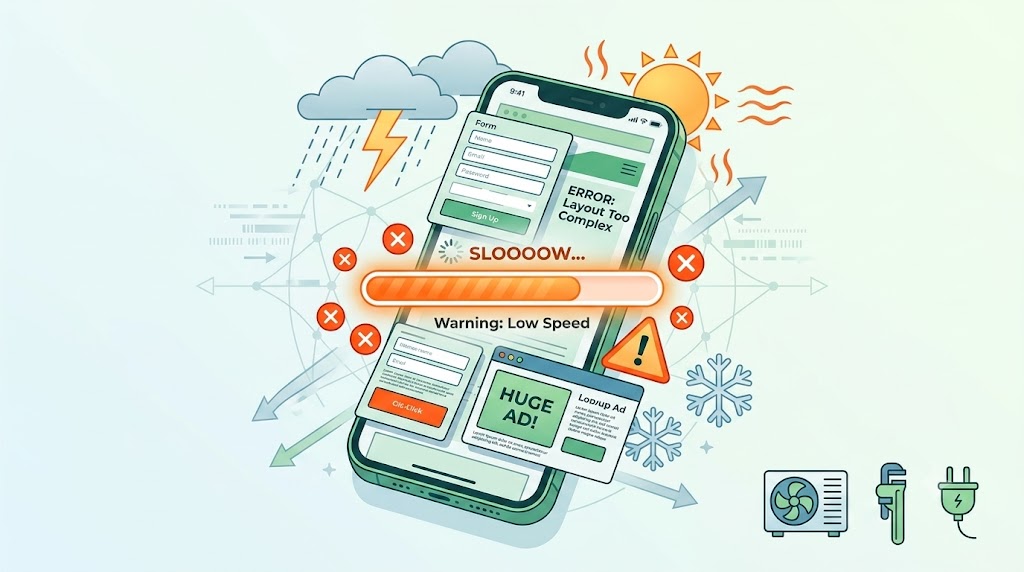
A slow website will frustrate users, and they will leave immediately. Optimize your site’s speed by compressing images, using browser caching, and minimizing unnecessary code. Tools like Google Page Speed Insights will help you identify areas to improve. Faster websites not only lower bounce rates but also better user experience.
3. Optimize for Mobile
Most of the web traffic comes from mobile users, so a responsive design is a must. Make sure your website adapts to different screen sizes and resolutions. Poor mobile experience like small fonts or buttons that are hard to click will drive users away quickly and increase bounce rates.
4. Internal Linking
Internal links will guide users to related content on your site and make them explore more pages. Use relevant anchor text to create a logical flow between pages. This will not only increase dwell time but also help search engines understand your website structure and overall SEO.
5. Leverage Multimedia
Videos, info graphics and images can make your content more engaging and easier to consume. Adding multimedia breaks the monotony of text and caters to users who prefer visual information. For example, embedding a “how to” video related to your article will keep users on the page longer.
6. Readability
No one likes to read long blocks of text. Break up your content into short paragraphs, use subheadings, and include bullet points where necessary. A clean layout with plenty of white space will improve readability and make users stay longer on your site.
7. Create Clear Calls-to-Action (CTAs)
Guide users on what to do next with compelling CTAs. Whether it’s to explore another blog post, sign up for a newsletter, or purchase a product, CTAs will help users navigate your site. Avoid vague directions and instead use action-oriented phrases like “Learn More” or “Download Now”.
8. User Intent
Knowing why a user is on your site is important. Analyze search intent—informational, navigational, or transactional—and tailor your content to meet their needs. When users find what they’re looking for they will stay engaged.
9. Minimize Pop-ups and Distractions
While pop-ups can be effective for conversions, overusing them will annoy users and drive them away. Limit the number of pop-ups and make sure they’re easy to close. Similarly, avoid auto playing videos or intrusive ads that disrupt the browsing experience.
10. Update Your Content Regularly
Outdated content will harm your credibility and make users leave your site. Review and refresh your content regularly to keep it updated and accurate. Adding new insights or updating statistics will keep your audience interested and improve SEO performance.
Wrapping Up:
Are you wondering how to reduce bounce rates and increase dwell time? By focusing on user experience, content, and website performance, you can keep users engaged and make them explore more of what you have to offer. Implement these tips to have a website that ranks well and retains its audience.
Try these today to increase dwell time, reduce bounce rates, and get better SEO results. If you need further help, get in touch with us at Grow Nearby to get a custom solution for your site!