



Introduction:
Local SEO management for a multi-location pest control company may be challenging but immensely fulfilling. With the right strategies in place, you can boost your online presence, attract more customers and establish a strong presence in multiple service areas. Good local SEO will make each location appear in relevant searches, leading to increased calls, bookings and revenue. With optimized Google Business Profiles, location-based keyword usage and customer review leveraging, you can emerge victorious in the war of local search listings. Read this guide to put actionable strategies into effect and amplify your pest control business’s multi-location pest control local SEO plan.
1. Optimize Each Location’s Google Business Profile
Google Business Profiles (GBPs) are essential for local SEO success. Create a unique GBP for every location to achieve maximum local exposure. Add accurate and consistent information such as name, address, phone number (NAP) and website. Include location-based keywords in the business description and services section. Add high-quality photos showcasing your team, equipment and pest control results to add credibility. Update regularly to the profile with posts, offers and announcements to improve presence and search rankings.
2. Add Location-Specific Keywords on Each Landing Page
To rank higher in local search, each landing page needs to be optimized for each location with the most relevant keywords. Utilize neighborhood- and city-specific terms within titles, meta descriptions and headers. Create unique content on each page focusing on the pest control service in that specific region. Use location-specific terms such as “rodent control in [city]” or “termite treatment around [neighborhood]” to optimize relevance. Optimize page URLs, alt tags and image file names with location-based keywords to rank higher in search engines.
3. Create Consistent NAP Citations Across Directories
Consistent and proper NAP citations (Name, Address, Phone number) are important for local SEO. List your pest control business in trustworthy online directories such as Yelp, Angi and HomeAdvisor. Ensure the NAP information remains consistent across all listings to gain search engine trust. Use citation management tools like BrightLocal or Yext to monitor and efficiently manage citations. Inconsistent or incorrect NAP data confounds search engines and harms your ranks. Consistent citations enhance the local SEO authenticity of your business.
4. Leverage Localized Content Marketing
Post location-specific blog posts and service pages to boost SEO performance. Write about pest control issues unique to each service territory, such as seasonal infestation or typical pest issues in the region. Insert local landmarks, events, or statistics to be more relevant. Link location pages internally to link equity and drive SEO equity. Publish blog posts on social media with geo-located posts to stimulate local conversation. Maintaining your site updated routinely with content targeted towards locales reflects relevance to spiders.
5. Voice Search and Mobile Optimization
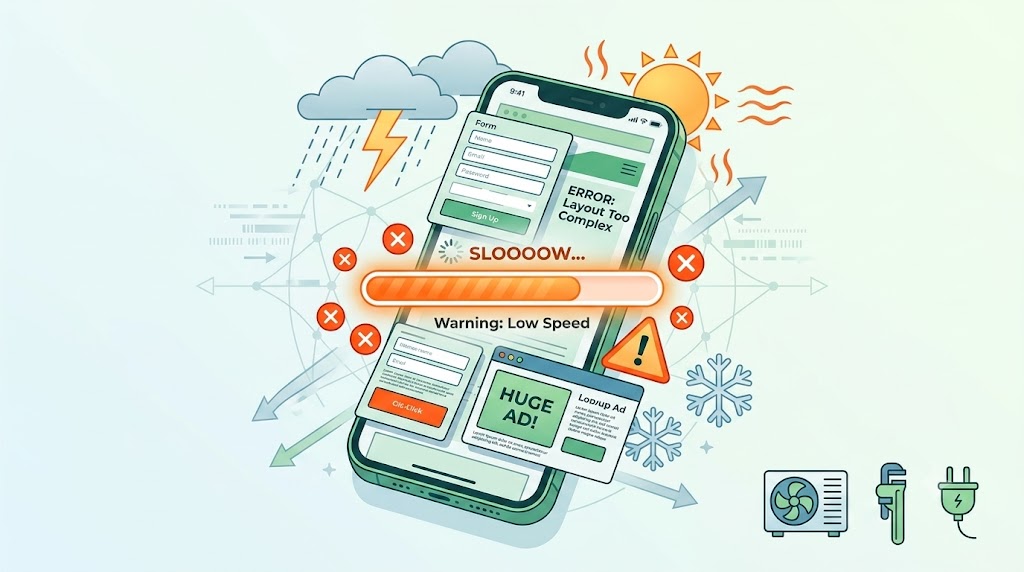
Voice and mobile search optimization are essential for being successful in local SEO. Optimize your site to be mobile-friendly with fast loading times and easy navigation. Use schema markup to communicate business details to search engines. Voice search optimize with natural language phrases like “exterminator open now” or “pest control near me.” Use FAQ sections with Q&A specific to location. Voice and mobile optimization enhances your chances of appearing in “near me” searches.
6. Encourage and Manage Customer Reviews for All Store Customers
Customer reviews are among the leading local SEO ranking factors. Encourage satisfied customers to review on Google, Yelp and Facebook. Create location-based review links to direct clients to the right profile. Respond to issues and express gratitude to clients for compliments in all reviews, replying promptly. Use review management tools to monitor and reply frequently. Regular flows of positive feedback establish credibility and boost your position in local searches.
7. Include Location-Based Schema Markup
Schema markup helps search engines understand your multi-location business better.
Insert local business schema on each location page with name, address, phone number and service area. Implement “geo-coordinates” and “opening hours” schema for better local search visibility. Insert a “service” schema to specify the pest control services offered. Structured data enhances the chances of showing in rich snippets and local packs. Schema markup also enhances voice search query relevance.
8. Monitor and Refine SEO with Local Analytic Tools
Regularly monitor your performance in local SEO using tools like Google Analytics, Google Search Console and SEMrush. Monitor website traffic, keyword rankings and click-through rates (CTR) per location. Use heatmaps to study user behavior and land page optimization for better conversions. Track GBP insights to see how the customers find your company and what they do. Regularly update and enhance your local SEO plan according to performance metrics.
Final Words:
Effective local SEO management is vital for multi-location pest control companies that desire to own local search rankings. By optimizing Google Business Profiles, using location-based keywords and asking customers to leave reviews, you’re capable of establishing your online presence. Consistent NAP citations, localized content and schema markup continue to construct your SEO plan. Continuously monitoring and tweaking your efforts guarantees long-term success.
Are you looking to boost your multi-location pest control company’s local SEO? Our experts can help you optimize your online presence and attract more customers. Contact us at Grow Nearby for a free consultation and start ranking higher in local searches!