



Introduction:
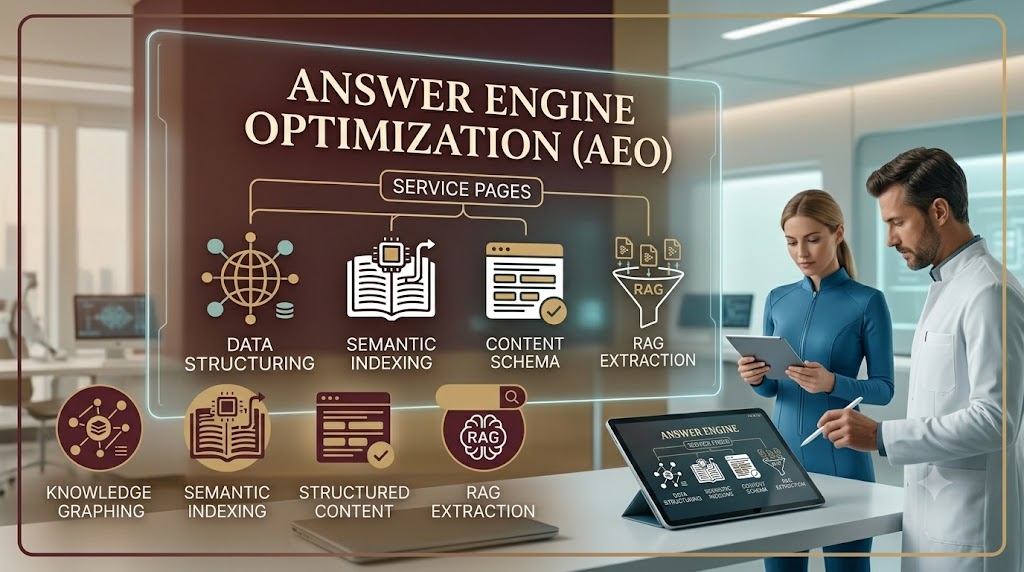
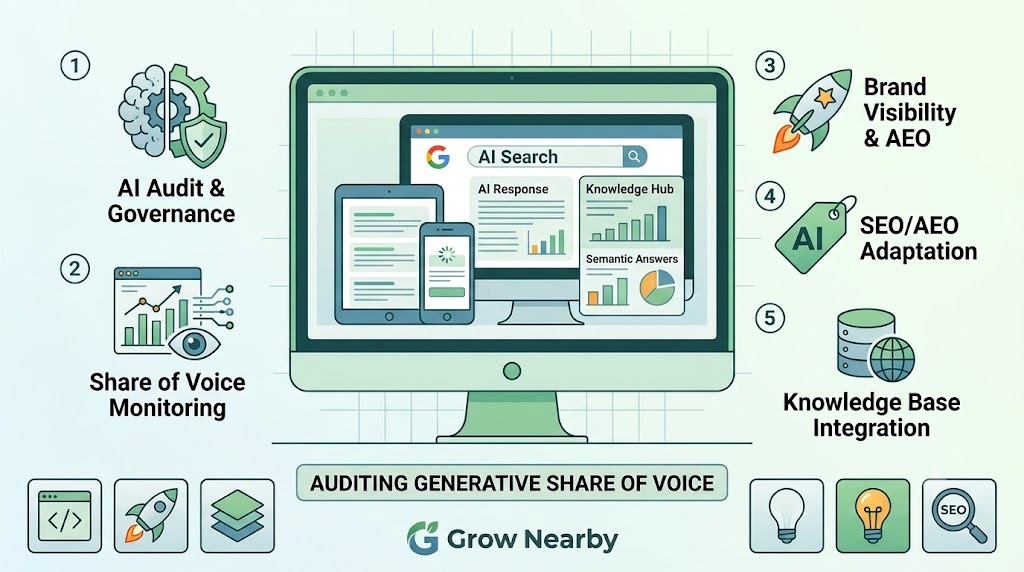
Creating content that aligns with artificial intelligence (AI) systems is no longer optional. AI tools, including Google’s Search Generative Experience (SGE), social media algorithms, and voice search assistants, play a major role in determining which content is seen and which isn’t. This shift calls for a rethinking of how content is planned, written, structured, and optimized. It’s not just about keywords anymore; it’s about providing value in a format AI can easily interpret and promote. If your goal is to improve the visibility of your content and get it featured across AI-driven interfaces, you must learn how to prepare content for AI.
1. Understand the Role of AI in Content Surfacing
AI doesn’t just index content—it interprets it. Platforms like Google now use natural language processing (NLP) and machine learning to identify content that best answers a user’s query, even if that content doesn’t have exact keyword matches. This means AI is looking at context, clarity, authority, and structure more than ever before. The better your content aligns with these elements, the more likely it is to surface in AI-powered results like featured snippets, voice searches, or SGE summaries. Understanding this shift allows content creators to adjust their strategies for maximum AI compatibility.
2. Start with Clear, User-Centric Questions
AI prioritizes content that directly answers user questions in a conversational and useful manner. Starting your content with a well-defined question that matches user intent can help AI better understand and categorize your material. Questions also mirror how users speak when using voice search or typing into AI-driven platforms, making them more likely to match with queries. Use tools like Google’s “People Also Ask” or AI-driven platforms to find natural, trending questions. The more specific and user-focused your question is, the more valuable your content will appear to AI.
3. Use Natural Language and Avoid Jargon
Modern AI systems favor content written in plain, conversational language. Complicated terms and industry jargon often confuse AI models or narrow your audience, limiting how your content is surfaced. Instead, opt for clear explanations that reflect how real users speak and search online. This not only improves readability for humans but also helps AI tools correctly classify and summarize your content. By writing as if you’re speaking directly to a curious user, you boost your chances of being featured in AI summaries and voice search responses.
4. Incorporate Semantic Keywords, Not Just Exact Matches
Gone are the days when stuffing exact-match keywords boosted your ranking. AI prefers content that includes a range of semantically related terms, which helps it understand the topic in depth. Tools like Google’s NLP API or keyword research platforms can help you identify related terms and variations that should be naturally included. By weaving these variations into your content without forcing them, you offer a more complete picture to AI systems. This strategy helps surface your content for a broader range of queries, increasing your reach.
5. Structure Your Content for Easy AI Parsing
Well-structured content is more accessible to AI and more likely to be surfaced in rich results or overviews. Use clear headings (H1, H2, H3) that describe the topic in each section, and keep paragraphs concise with focused points. Including question-based subheads and clearly marked sections helps AI parse and display relevant portions of your content in snippets. Lists, tables, and step-by-step formats are also highly favored in AI results because they’re easy to extract and summarize. Think of your formatting as a roadmap for both AI crawlers and human readers.
6. Add Factual and Authoritative Information
AI systems increasingly assess content for credibility and trustworthiness. This means including relevant data, expert opinions, quotes, statistics, and sourcing information within your content. Citations and links to high-authority domains help establish your credibility in the eyes of both AI and users. Content that is informative, fact-checked, and referenced is more likely to be surfaced in AI tools that value quality over fluff. Building authority also means having a consistent author presence with bios that establish expertise and trust.
7. Optimize for Featured Snippets and AI Summaries
Featured snippets and AI summaries are prime real estate in search results, and your content must be formatted to capture them. Start by clearly answering the main query within the first few lines of your content or section. Use short, direct sentences and answer formats like definitions, how-tos, and lists. AI systems often pull content directly from these formats when surfacing quick answers. Creating structured, scannable content blocks improves your chances of being chosen for AI highlights, especially for question-based queries.
8. Keep Content Fresh and Contextually Relevant
AI tools value freshness and relevance, especially in fast-moving industries or seasonal topics. Update older content regularly with new data, refreshed examples, and current trends to signal relevance. Time-sensitive updates and contextual framing around current events can also improve visibility in AI-driven discovery. Content that reflects today’s searcher context performs better with AI ranking systems, which weigh recency as part of quality assessments. Consistent updates also encourage deeper indexing and re-surfacing by AI crawlers looking for up-to-date information.
Conclusion:
The rise of AI in content discovery means that traditional SEO strategies are no longer enough. To thrive in this new environment, you need to create content that is clear, authoritative, structured, and aligned with user intent. AI favors natural language, semantic relevance, and well-organized information that it can easily interpret and summarize. By following these eight strategies, you’ll not only improve how your content is surfaced but also create a better experience for your audience. Learning how to prepare content for AI is not about tricking algorithms but about communicating clearly, helpfully, and effectively.
Are you ready to future-proof your content strategy? Let us at Grow Nearby help you optimize your content for AI visibility and drive better engagement across platforms. Contact our content intelligence team today for a free audit and discover how to rise above the noise in the age of AI-driven discovery.