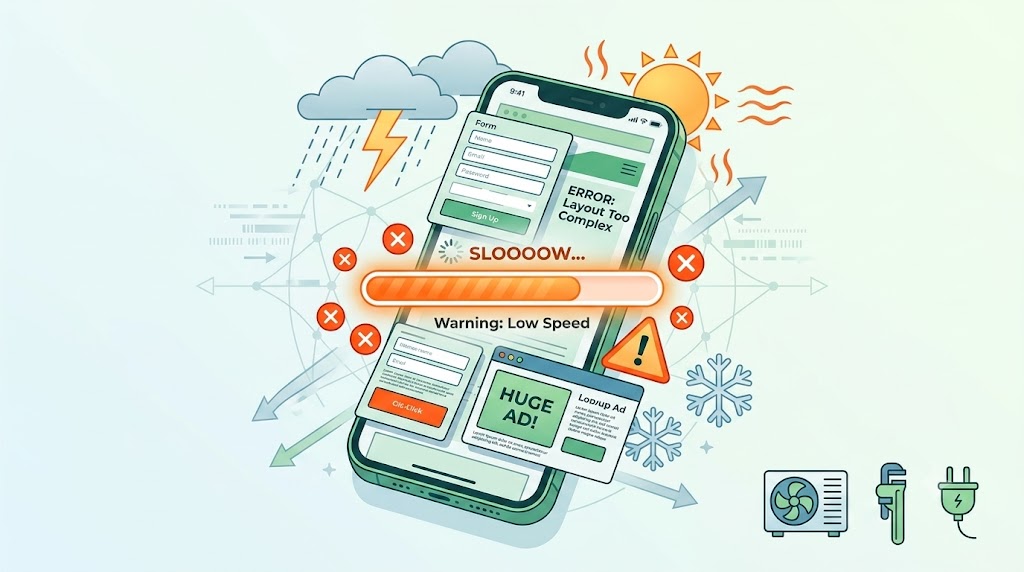




Introduction:
By 2025, seamless user experience (UX) is not an option for pest control sites but a necessity. As customers desire speedy, simple, and informative online interactions, pest control companies must optimize their websites in order to succeed. From ease of navigation to interactive elements, the right UX elements can build trust, create leads, and increase conversions. This guide highlights the most critical UX elements to include during pest control website development.
1. Mobile-First Design and Responsiveness
As most of the users access websites using mobile phones, going mobile-first is critical. In 2025, pest control site designs must be fully responsive and switch easily between different screen sizes. This ensures that visitors can easily access services, request quotes, and contact the company on any medium. Fast page loading along with easy navigation on mobiles also reduces bounce rates. Going mobile-first optimizes SEO rankings so that customers find the business easily online.
2. Intuitive and Clear Navigation
Simple and intuitive navigation improves the user experience by allowing visitors to locate what they are searching for within seconds. Pest control websites should have a simple menu with easy-to-understand categories like services, prices, reviews, and contact information. Sticky navigation menus allow users to navigate essential pages without scrolling too much. Breadcrumbs improve site organization and lead visitors to prior pages. Easy navigation eliminates frustration, and this implies that possible customers remain online longer.
3. Fast Pages with Fast Performance
Page loading speed influences the user experience as well as the SEO ranking. By 2025, pest control sites should have taken under three seconds to load before visitors bounce off. Images become compressed, browsers cache, and codes get minified to accelerate the loading. Faster sites also decrease bounce rates as well as customer dissatisfaction. Lazy loading scripts make sure the images load only when they are in sight, thus making it more efficient. Smooth performance encourages the users to look at more pages, increasing chances for conversion.
4. Interactive and Informative Service Pages
Good service pages clearly indicate the pest control services offered so that visitors can make informed decisions. Each page should clearly describe the service, common pest issues, and treatment processes in detail. The use of FAQs addresses common issues and builds trust. Well-quality images and explainer videos depict the effectiveness of the services. Testimonials and success stories add to credibility, assuring prospective clients.
5. Online Scheduling and Quote Request Tools
Convenience to customers seeking pest control services on a website is key. Websites thus need integrated quote request and scheduling tools in 2025 in order to effectively streamline the customer experience. Web-based forms that allow fields to be customized so users can describe their pest issue and desired appointment time help automate the process. Automated scheduling solutions reduce phone usage, freeing customers and employees of time. The availability of calendars online in real time makes booking faster. These instruments enhance lead generation by offering instant access to service.
6. Trust-Building Elements and Social Testimonial
Pest control websites must build credibility on trust indicators and social endorsements. Displaying certifications, licenses, and insurance certificates ensures users that the business is legitimate. Displays of Google reviews, testimonials, and case studies prove customer satisfaction. Trust badges such as “100% Satisfaction Guaranteed” or “Eco-Friendly Certified” give credibility to the site. Real-time review streams give transparency and make the user feel safe in their choice.
7. Interactive Pest Identification Tools
Interactive elements engage visitors and provide them with helpful information. Interactive features grab the visitors’ attention while providing them with helpful information. Pest identifier widgets allow visitors to select or upload pest images in order to obtain real-time identification and treatment suggestions. Image, description, and prevention tip searchable pest libraries educate visitors. Interactive questionnaires guide users to figure out the level of infestation and point them in the correct direction for services. These are engagement-driven elements and turn the site into an asset.
8. Good Call-to-Action (CTA) Placement
Notable and strategically placed CTAs lead users to the desired action. Pest control sites need to have CTAs on all pages, requesting users to ask for quotes, book services, or call for emergencies. Conversion-related terms like “Get a Free Quote” or “Schedule Pest Inspection Now” are utilized to push conversions. Various CTA buttons grab attention, encouraging clicks. Placement of CTAs at the top, middle, and bottom of pages creates persistent lead-generation chances.
Wrapping Up:
By 2025, pest control websites must prioritize user experience to attract and retain customers. Mobile responsiveness, page speed, and easy navigation ensure a seamless user experience. Interactive elements, trust signals, and easy CTAs enhance credibility and drive conversions. By incorporating these fundamental UX elements, pest control companies can surpass the competition and deliver excellent services online.
Contact our web development experts today to build a site that attracts leads, boosts conversions, and keeps customers coming back. Let us at Grow Nearby help you create a high-performing website in 2025!