



Introduction:
Roofing companies must go beyond word-of-mouth marketing and traditional advertising. A well-optimized website is critical for attracting new customers and standing out in a competitive market. On-page SEO ensures that your website communicates effectively with search engines while offering value to potential clients. From keyword placement to site speed, every detail contributes to your search engine ranking. This guide covers the essential on-page SEO checklist for roofing companies to improve visibility and drive quality traffic.
1. Optimize Page Titles with Target Keywords
Page titles are one of the most important on-page SEO elements for roofing companies. Each page on your website should have a unique, keyword-rich title that reflects the service and location you want to rank for, such as “Roof Repair Services in Dallas, TX.” Including local keywords helps connect with homeowners searching for services in your area. Keep your titles under 60 characters so they appear correctly in search results. Make sure the title is natural and appealing to users while clearly stating the purpose of the page.
2. Use Proper Meta Descriptions to Encourage Clicks
Meta descriptions don’t directly influence rankings, but can impact your click-through rate. Write clear and engaging meta descriptions for each page that include primary keywords and a call-to-action. Descriptions should be between 150 and 160 characters and provide a compelling summary of what the page offers. For example, “Need affordable roofing in Denver? Our expert team handles roof replacements, repairs, and inspections—call now for a free estimate.” This encourages users to click while reinforcing relevance to search engines.
3. Create Unique and High-Quality Content
Search engines prioritize websites that provide unique, valuable content tailored to user intent. Avoid copying the manufacturer’s product descriptions or reusing service descriptions across multiple pages. Each page—whether for roof repair, installation, or gutter cleaning—should be tailored with specific details, customer benefits, and geographic relevance. Add FAQ sections, customer testimonials, or blog posts answering common roofing questions to improve dwell time. Regularly update your content to show search engines that your site is active and authoritative in the roofing niche.
4. Use Headers to Structure Your Content
Proper use of header tags (H1, H2, H3) helps search engines understand the hierarchy and organization of your content. Each page should have a single H1 tag, typically used for the page title, followed by H2 and H3 tags to structure subtopics. This format improves readability and allows search engines to easily crawl and index your content. For instance, a “Residential Roofing” page could include H2 headers for “Shingle Roofing,” “Tile Roofing,” and “Roof Maintenance Tips.” Breaking up long text with headers makes the content easier to scan for users.
5. Incorporate Local SEO Elements
Local SEO is essential for roofing companies that serve specific geographic areas. Include your city, neighborhood, and service area in the page titles, headers, and content naturally. Create location-specific service pages, such as “Roofing Services in Phoenix” or “Commercial Roof Repair in Scottsdale.” Embed Google Maps on your contact page and ensure your business address is consistent across all pages and directories. Adding customer reviews with local references also helps reinforce your connection to the community and improves trust.
6. Optimize Images with Alt Text and Compression
Visual content, such as project photos and roofing diagrams, can enhance user engagement but must be optimized for SEO. Use descriptive file names and alt text that include relevant keywords and locations, such as “asphalt-roof-installation-chicago.jpg.” Alt text not only improves SEO but also makes your site more accessible to visually impaired users. Compress image files to reduce page load time, which improves both user experience and ranking potential. Avoid using overly large image sizes that could slow down mobile performance.
7. Improve Internal Linking and Site Navigation
A strong internal linking structure helps users and search engines find related content easily. Link to relevant service pages, blog posts, and FAQs within your website to increase session duration and distribute link equity. For example, a blog post on “Common Signs of Roof Damage” can include internal links to your “Emergency Roof Repair” or “Roof Inspection Services” pages. Clear site navigation also ensures visitors can access the information they need quickly, reducing bounce rates and encouraging conversions.
8. Ensure Mobile-Friendliness and Fast Load Times
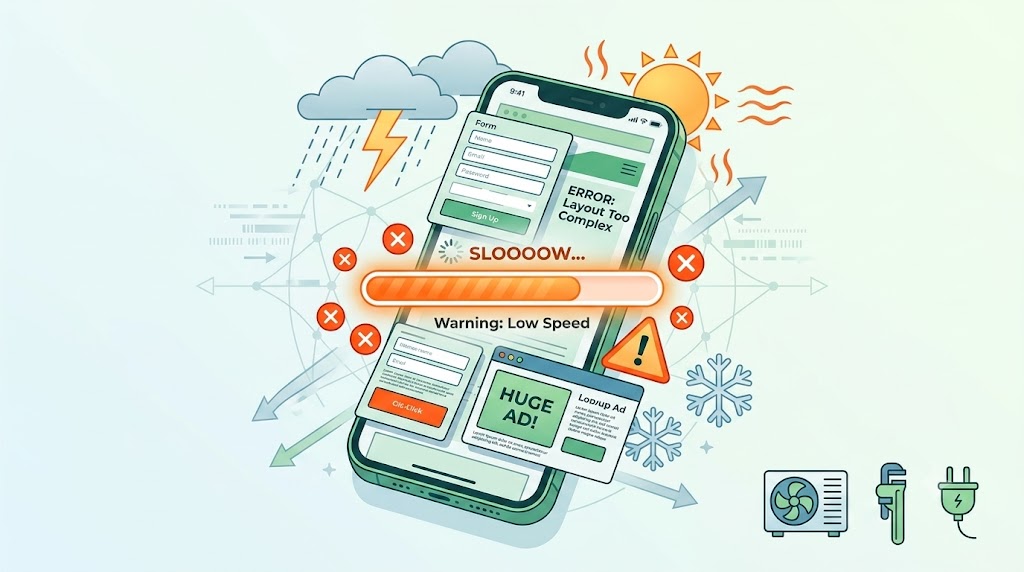
More than half of local roofing searches happen on mobile devices, so your website must be mobile-friendly. Use responsive design to ensure your site adapts to various screen sizes and provides a smooth user experience. Fast load times are also crucial—pages that take more than three seconds to load can drive users away. Use tools like Google PageSpeed Insights to test your site and implement recommended improvements such as browser caching, image optimization, and code minification. A faster, mobile-optimized site reduces bounce rates and increases engagement.
Wrapping Up:
Improving your roofing company’s on-page SEO is not a one-time task but a continuous effort that pays off in long-term visibility and leads. Each element, from meta descriptions to internal linking, plays a crucial role in how search engines evaluate your website. By focusing on keyword optimization, user experience, and local relevance, you can climb the search rankings and become the go-to roofing provider in your area.
Start implementing this on-page SEO checklist for roofing companies and track your progress using SEO tools to measure growth and success. Contact our expert SEO team at Grow Nearby today and get a free website audit tailored specifically for your roofing services.